In the waters off North Devon, there’s a rugged island where puffins rule the cliffs. Lundy Island—whose very name comes from the Old Norse word for “puffin island”—has long been associated with these quirky, colorful seabirds.
With their bright orange beaks, clumsy waddle, and comically serious expressions, puffins are an iconic sight, drawing visitors eager to see them in their natural habitat. But their presence on Lundy hasn’t always been guaranteed. Thanks to dedicated conservation efforts, the puffin population has tripled, making Lundy one of the best places in the UK to see them up close.
Why Puffins Love Lundy Island
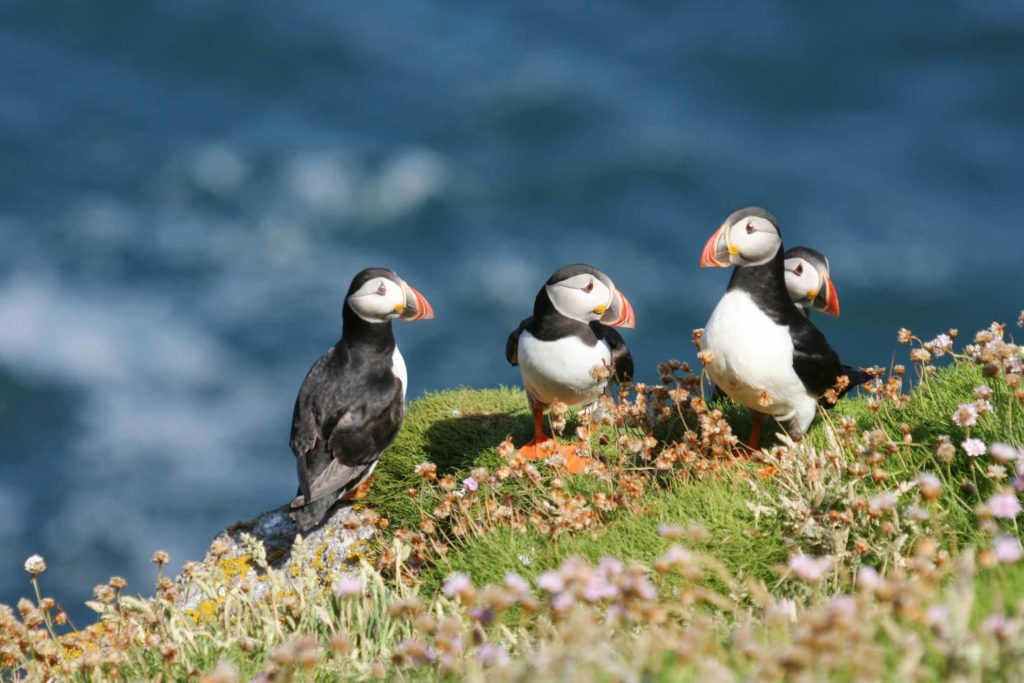
Puffins thrive on Lundy Island because it offers the ideal breeding conditions for these seabirds. The island’s steep cliffs and grassy slopes provide the perfect setting for burrow-nesting, while its surrounding waters are rich in fish, ensuring an abundant food supply.
Unlike many seabirds that nest directly on rocky cliff edges, puffins prefer soft soil, where they dig burrows to safely raise their chicks. Lundy’s isolated location and strict conservation measures have also helped protect puffins from predators, allowing their numbers to flourish once again.
Two of the top spots to see them are Jenny’s Cove and St. Phillip’s Stone, where visitors can witness puffins feeding, socializing, and raising their chicks—adorably known as pufflings.
Fascinating Puffin Facts
Puffins are full of surprises! Here are some quirky facts about Lundy’s most famous seabirds:
- Best time to see them – Puffins return to Lundy Island between March and August, with April to July being the best months for sightings.
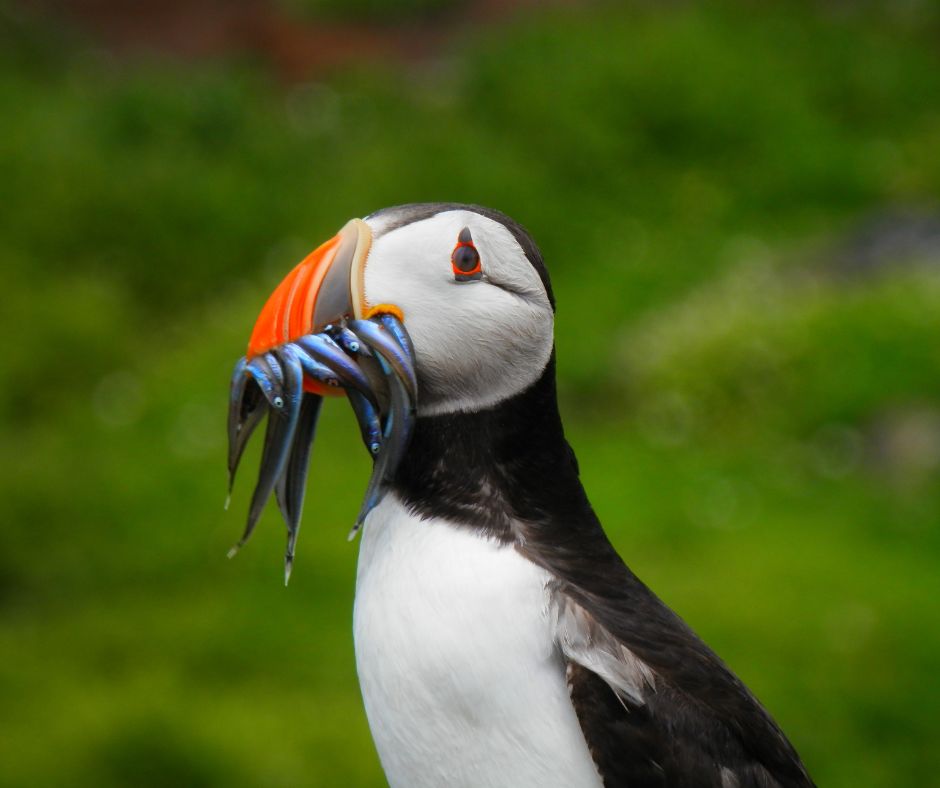
- Masters of multitasking – Puffins can carry up to 10 fish in their beaks at once, thanks to their unique hinged jaws.
- Speedy flyers – They flap their wings 400 times per minute, reaching speeds of 88 km/h (55 mph).
- Expert swimmers – Puffins use their wings to “fly” underwater, diving up to 60 meters (197 feet) to catch fish.
- Loyal partners – Puffins mate for life and reunite with the same partner each breeding season.
- Burrow builders – Instead of nesting on cliffs like many seabirds, puffins dig burrows using their beaks and feet.
- Sea parrots – Their expressive faces and colorful beaks have earned them the nickname “clowns of the sea.”
- Seasonal makeover – Their bright orange beaks fade to a duller shade outside of breeding season, then brighten again in spring to attract mates.
Puffin Conservation Success on Lundy
For years, puffin numbers on Lundy declined due to invasive predators and habitat challenges. However, extensive efforts—including the removal of rats and the establishment of a marine conservation zone—have helped puffins thrive once more. Today, Lundy’s puffin population has tripled, making it a must-visit destination for birdwatchers and nature lovers alike.
Visiting Lundy Island from Ilfracombe
If seeing puffins is high on your North Devon wildlife bucket list, Ilfracombe is the best place to start your adventure.
Traditional Ferry – MS Oldenburg
The MS Oldenburg, a charming supply vessel, offers scenic crossings from Ilfracombe between March and October. This two-hour journey across the Bristol Channel sets the stage for an unforgettable visit to Lundy Island.
High-Speed RIB – Ilfracombe Sea Safari
For a quicker and more exhilarating journey, Ilfracombe Sea Safari provides high-speed RIB rides to Lundy Island. Not only does this shorten travel time, but it also allows visitors to experience Lundy from the water, spotting dolphins, seals, and seabirds along the way.
Why Lundy Is a Puffin Paradise
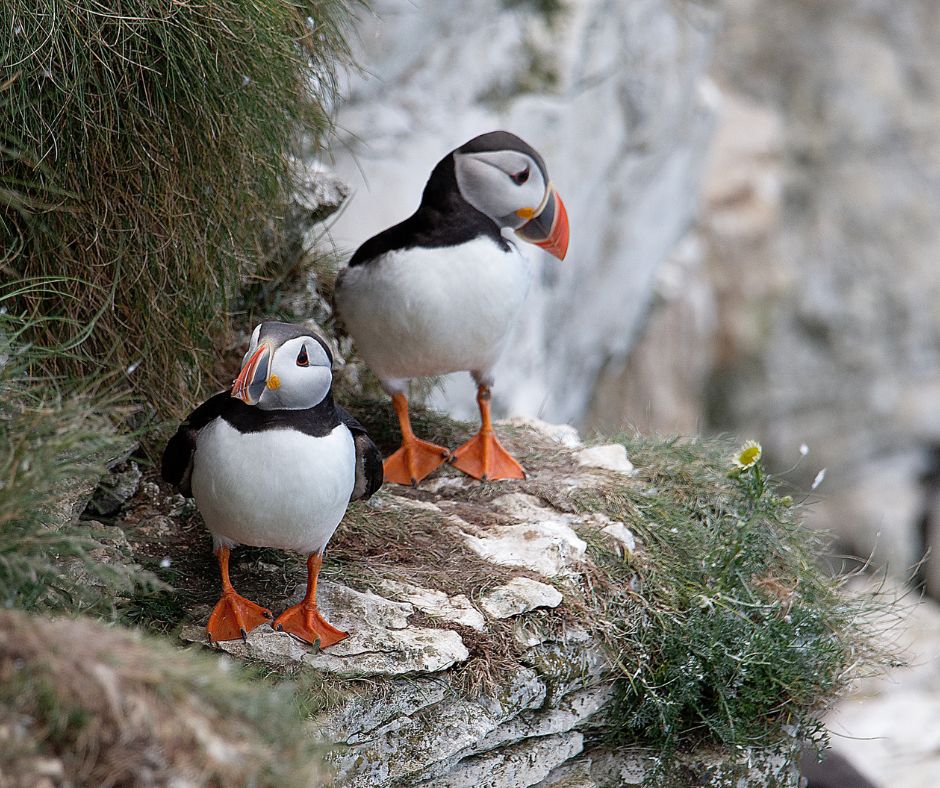
With thriving wildlife, breathtaking views, and dedicated conservation efforts, Lundy Island is the perfect place to witness puffins in the wild. And with Ilfracombe as the ideal departure point, getting there has never been easier.
Whether you’re drawn by the thrill of puffin-watching, the adventure of traveling across the Bristol Channel, or the natural beauty of Lundy Island, Ilfracombe offers the best gateway to this unforgettable experience.